
TCM Journal
Rose Tea Benefits in Traditional Chinese Medicine: Why It Is Linked with Mood and Flow
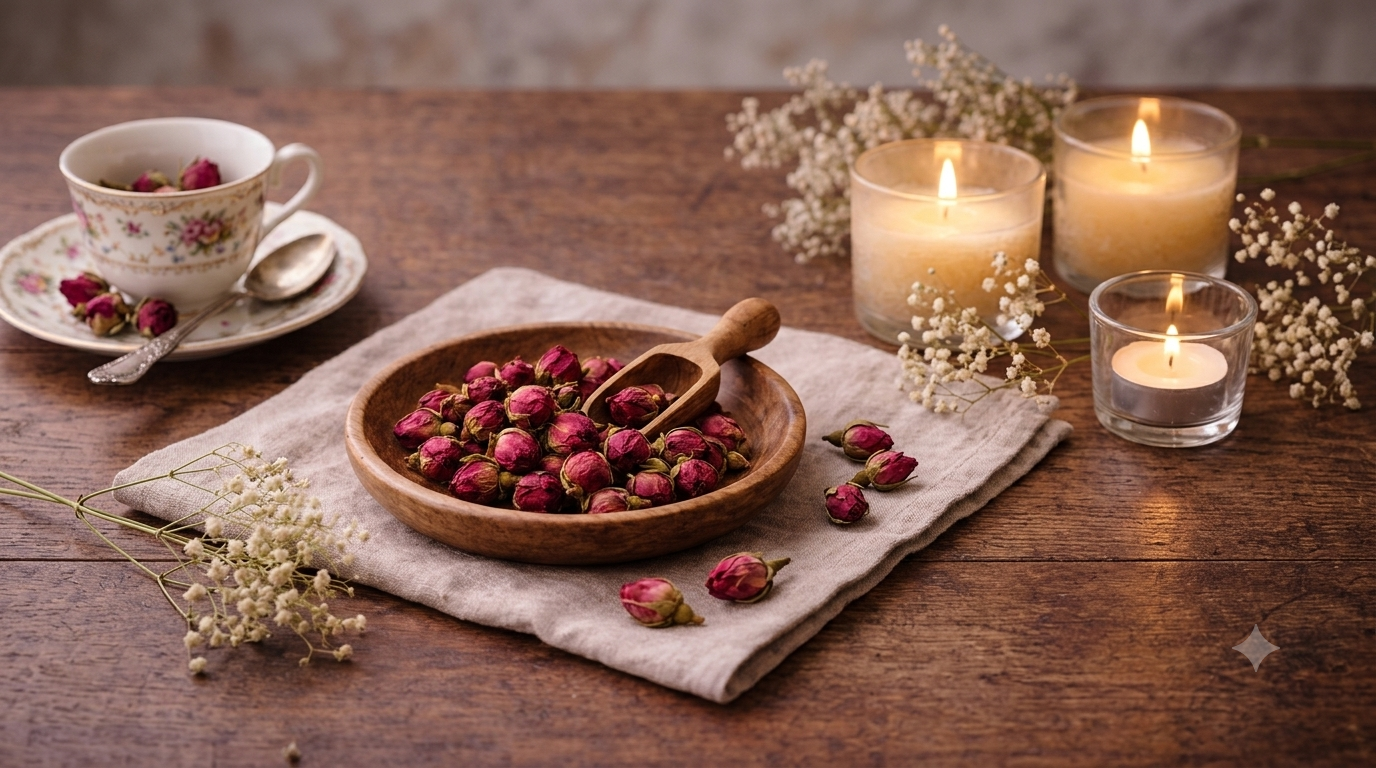
Why rose tea keeps showing up in wellness searches
Rose tea has a rare advantage for content writing: it already feels familiar to Western readers, but it also has deep roots in Chinese herbal culture. That makes it one of the best bridge topics between English-language wellness searches and Traditional Chinese Medicine education.
In Chinese official and hospital-based herbal education, rose is often described as gentle rather than harsh. It is associated with moving qi without being excessively drying, and with nourishing the heart and liver blood vessels while helping stagnant emotion feel more open.
How TCM explains rose
A classic TCM description of rose emphasizes fragrance, softness, and movement. In practical language, that means rose is often discussed for people who feel emotionally constrained, tense in the chest, low in mood, or affected by stress around digestion and sleep.
This does not mean rose tea is a cure for every emotional problem. It means Chinese herbal thinking sees aroma itself as part of the experience. The smell, warmth, and ritual of preparation are already part of the effect.
Why rose tea works so well as a daily ritual topic
Many herbal ingredients are too technical for general readers, but rose is easy to imagine. It turns a TCM article into something sensory and approachable. Readers understand immediately what a fragrant evening cup means, even if they have never studied Chinese herbal theory.
That is also why rose tea content performs well for discovery. People search for benefits, stress support, sleep support, beauty support, and digestion support. A good article does not need to promise everything. It only needs to explain why rose has become a daily favorite in traditional tea culture.
Practical cautions still matter
Chinese herbal education also includes warnings. Some official rose tea guidance notes that rose has a stronger moving action than people assume. It may not suit everyone in every season or condition. For example, traditional sources mention caution for people with certain digestive patterns, diarrhea, pregnancy, or heavy menstrual bleeding.
Adding these cautions actually makes the article more credible. English readers are used to wellness pages that only praise ingredients. Balanced writing builds more trust.
Why this topic matters in TCM writing
Rose is not only a pleasant ingredient. It is also one of the clearest bridges between botanical beauty and Chinese herbal theory. That makes it especially useful in English-language TCM writing, where readers often want something both understandable and rooted in tradition.
A strong article on rose can hold that balance: sensory enough to feel inviting, but grounded enough to remain informative.
Sources in Chinese
Reading note
Education before recommendation.
This article is written as general TCM education and daily lifestyle guidance. It is not medical advice or diagnosis.