
TCM Journal
How TCM Understands Insomnia: Patterns, Habits, and a Gentler Evening Routine
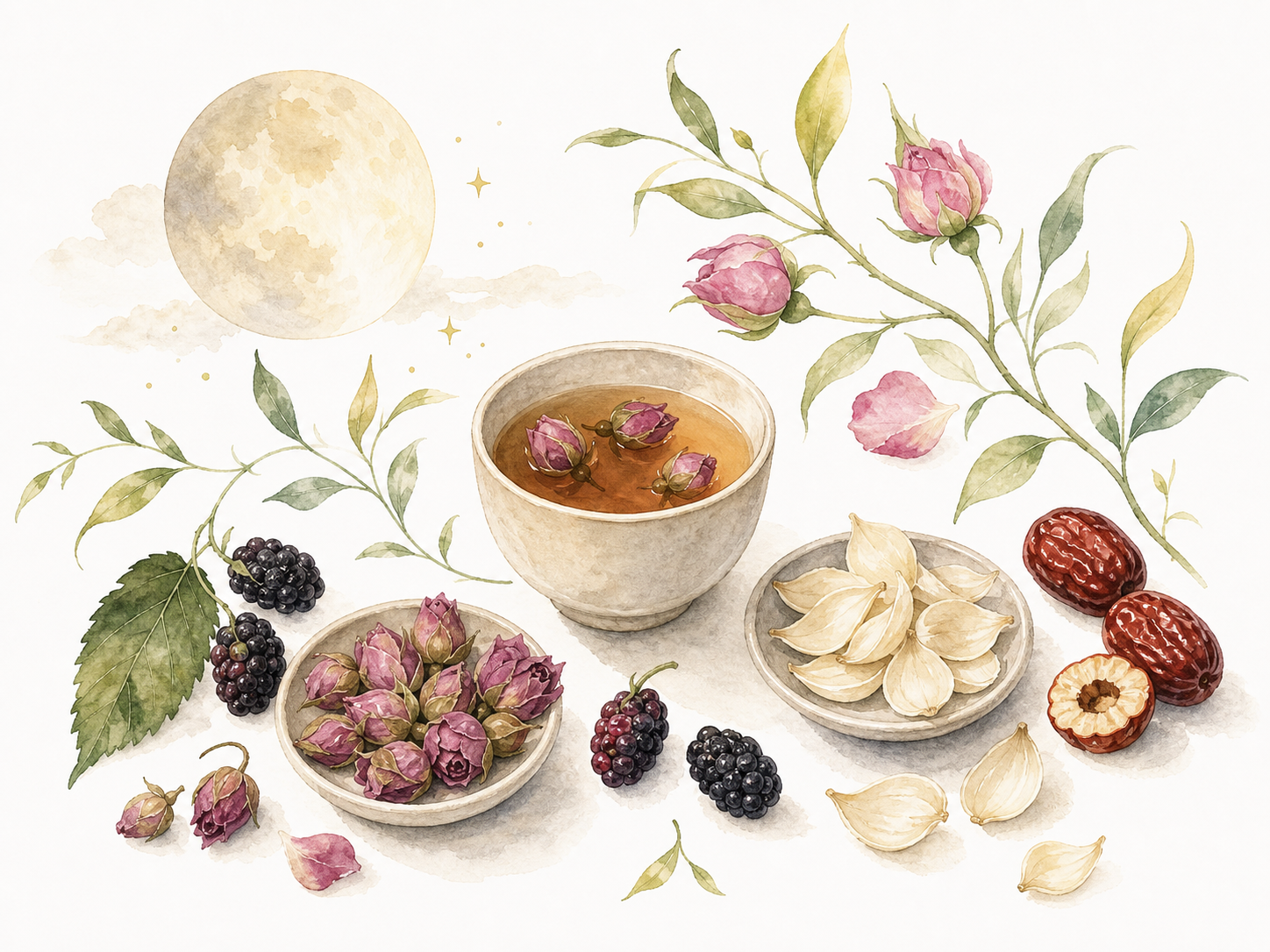
Why insomnia is one of the biggest TCM search topics
Sleep is one of the biggest wellness search categories in the US and Europe, so it is no surprise that TCM insomnia content has steady interest. Many readers are looking for something gentler than a purely high-stimulation routine of caffeine, screen time, stress, and then a desperate attempt to sleep on command.
Chinese medicine does not treat every bad night as the same. Official educational materials often describe multiple insomnia patterns rather than one universal cause. That alone makes the topic feel more useful, because readers can see why their own sleep difficulty may not look like someone else’s.
Different patterns, different clues
Recent Chinese hospital education has described several broad insomnia patterns: phlegm-heat disturbing the interior, liver depression turning to heat, yin deficiency with heat, disharmony of the stomach, deficiency of heart and gallbladder qi, and deficiency of both heart and spleen. Older public education also describes simple clues such as irritability, reflux, palpitations, poor appetite, dream-disturbed sleep, and fatigue.
The takeaway for an English-language article is not that readers should diagnose themselves from a chart. The takeaway is that TCM sees sleep as connected to digestion, emotional stress, and overall constitutional balance.
The evening habits that matter most
Across different Chinese sources, the most consistent sleep advice is strikingly practical. Avoid strong tea, coffee, and alcohol close to bedtime. Do not eat too heavily late at night. Reduce stimulation from phones and mental overwork. Improve the bedroom environment if it is too bright, too noisy, or simply not restful enough.
This matters for your content strategy because it keeps the article useful and believable. You are not promising a miracle herb. You are showing how TCM frames sleep as a whole-routine issue.
Why this topic translates well into daily-life advice
Chinese sleep education often presents evening care as a broader transition rather than a single fix. Some articles mention porridge, foot baths, acupressure, breathing, or reducing sensory overload. The common theme is settling the body before sleep instead of fighting with it.
That is why insomnia works so well as an educational topic. It allows a writer to explain TCM patterns while still giving readers practical habits they can reflect on immediately.
A stronger article is also a safer article
The best insomnia content includes boundaries. Chinese official guidance also reminds readers that persistent or severe sleep problems deserve proper medical attention, especially when they last for weeks or come with significant distress or other symptoms.
That kind of balance is good for users and good for SEO. It makes the site feel thoughtful rather than extreme, which is exactly the tone a trust-building information website should have.
Sources in Chinese
Reading note
Education before recommendation.
This article is written as general TCM education and daily lifestyle guidance. It is not medical advice or diagnosis.